
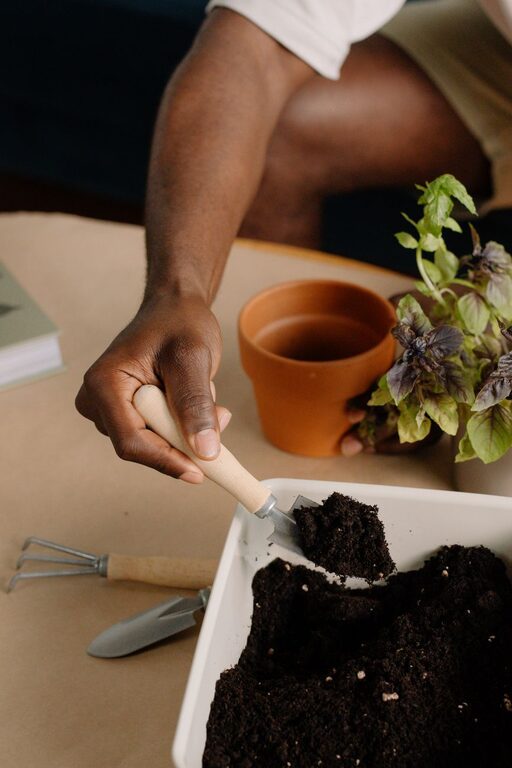
Growing your own herbs indoors is a rewarding and practical way to add fresh flavors to your cooking while enjoying a touch of greenery in your home. Whether you have limited outdoor space or simply want to have fresh herbs year-round, starting a small indoor herb garden is easier than you might think. This guide will walk you through everything you need to know to get started.
Why Grow Herbs Indoors?
Herb gardens bring many benefits beyond just fresh ingredients for your kitchen. Indoor herbs can brighten your living space, improve air quality, and provide a fun, relaxing hobby. Plus, having herbs on hand means no more last-minute trips to the store.
Best Herbs for Indoor Gardens
Some herbs are especially well-suited for indoor growing because they thrive in pots and limited sunlight. Consider starting with:
– Basil: A popular culinary herb used in many dishes.
– Parsley: Fresh, vibrant leaves great for garnish and salads.
– Mint: Easy to grow but can spread quickly, so a pot is ideal.
– Thyme: A hardy herb with a pleasant aroma.
– Chives: Perfect for adding mild onion flavor.
– Oregano: Great for Italian and Mediterranean cooking.
– Cilantro: Fresh and flavorful, though it prefers cooler temperatures.
Choosing the Right Containers
Selecting the right pots is important for herb health and growth.
– Size: Each herb needs enough room for roots to grow. Small to medium pots (4-6 inches in diameter) usually work well.
– Material: Terracotta pots are breathable and help with moisture control, but plastic pots retain water longer.
– Drainage: Ensure your pots have drainage holes to prevent waterlogging, which can lead to root rot.
You can also use creative containers like repurposed jars or tins, just be sure to add drainage holes.
Selecting the Soil
Herbs need light, well-draining soil. Look for a high-quality potting mix labeled for indoor plants or herbs. Avoid garden soil, as it can be too dense and may contain pests.
You can also mix your own soil using:
– 2 parts potting soil
– 1 part perlite or coarse sand (for drainage)
– 1 part compost or organic matter (for nutrients)
Providing Adequate Light
Most herbs require at least 6 hours of bright, indirect light daily.
– Sunny windowsills: South or west-facing windows are ideal.
– Grow lights: If natural light is limited, use full-spectrum LED grow lights to supplement.
– Rotate your pots regularly to ensure even light exposure and prevent leaning.
Watering and Maintenance Tips
Proper watering is crucial for healthy herbs.
– Water when the top inch of soil feels dry.
– Avoid overwatering; soggy soil can cause root rot.
– Mist herbs like cilantro or parsley occasionally to maintain humidity.
– Remove yellowing or dead leaves to encourage new growth.
– Pinch herbs regularly to promote bushier growth and prevent flowering.
Fertilizing Your Herb Garden
Herbs don’t need heavy feeding. Use a balanced, water-soluble fertilizer diluted to half strength every 4-6 weeks during the growing season.
Organic options like fish emulsion or compost tea are also great choices.
Dealing with Common Problems
Indoor herb gardens can face challenges, but most are easy to fix:
– Leggy, weak growth: Often due to insufficient light; move plants to a brighter spot.
– Yellow leaves: Can indicate overwatering or nutrient deficiency; adjust watering and try fertilizing.
– Pests: Occasionally, aphids or spider mites may appear; wipe leaves with soapy water or use insecticidal soap.
Harvesting Your Herbs
Harvest herbs by snipping leaves or stems with scissors. Always harvest from the top to encourage new growth. Avoid removing more than one-third of the plant at a time to keep it healthy.
Tips for Success
– Start small and add more herbs as you gain confidence.
– Label your pots to keep track of each herb.
– Keep your herbs away from drafts and heating vents.
– Experiment with different herbs to find your favorites.
Conclusion
Starting a small indoor herb garden is a simple and enjoyable way to enhance your home and your cooking. With the right care, you can enjoy fresh, flavorful herbs all year round. Gather your pots, soil, and seeds, and dive into the rewarding world of indoor gardening today!